
Profitability in Practice: Rethinking Your Enterprises
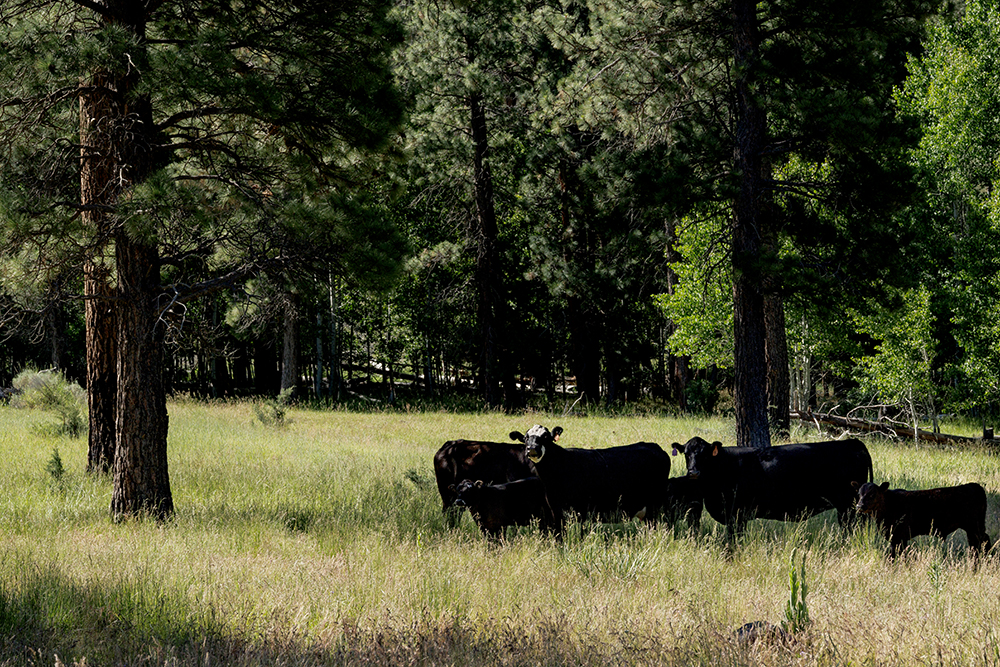
The seventh generation on Withers Ranch in Paisley, Oregon, continues the legacy of careful land management in their fragile, arid ecosystem while finding buy-in to reshape the family’s philosophy on recordkeeping and profitability tracking.
At the end of a long day cutting and raking hay in Oregon’s high desert region, ranch hands run some numbers in their heads and pencil them down on a scrap of paper or a well-used NCBA Redbook, if they have one.
Withers Ranch grows and harvests hay to feed its cattle over the winter. And the Withers family relies on a cadre of local help to get the job done, so their full-time ranch staff can continue to care for and move cattle on other parts of the ranch.
But the end of the day doesn’t mean the end of work for everyone. Colleen Withers still needs to track down all of those paper scraps and Redbooks to record hours worked, pounds harvested and bales made to keep track of the season’s hay enterprise.
Colleen, and her husband, Matt, are the seventh generation on the ranch. Like many up-and-comers, they’re looking to make a few changes to the operation. Making their own hay is the way the Withers’ family has always done things. But they’ve never tracked expenses closely enough to know the profitability of the endeavor year-over-year.
“There are some years where [making hay] probably pays great because we raised so much hay,” says Colleen. “Then there are some years, like probably this type of year, where it won’t pay because we’re going to hire the same amount of people and run the same equipment for not very much hay.”
Keeping track of expenses and income is a challenge on many ranches. Ranching, consulting for a local watershed council and raising kids don’t leave Colleen with much time to do more than get bills paid. While there never seems to be a right time, a strong market and a mindset shift are shaping a new approach to help Colleen pin down enterprise profitability on the ranch.
Reframing Ranch Goals
Profitability is always on the forefront of a rancher’s mind. But being able to track expenses and income to know for sure which years the ranch was in the black is a different story.
“When I first took over the books, I was so excited. I was like, ‘I am going to break out our fuel bill by each enterprise,’” recalls Colleen. “And I’m sure a lot of people do that. But I quickly realized it wasn’t sustainable for me. Sometimes you just have to shove bills out the door and just go log into the bank account to make sure you have enough to cover them.”
But her goal to reorganize the books didn’t end there. It was simply lying in wait for the right opportunity.
In 2025, the time was right to dial in recordkeeping and expenses. The cattle market was, and is still, at an all-time high. Colleen wanted to make the best of a good situation. She and Matt attended the Noble Profitability Essentials course in Pendleton, Oregon.
“Noble really challenges ranchers to recognize that you can survive the tough times, you can thrive even in hard times,” says Colleen. “And that’s the direction we’re trying to go. I want to really have this dialed in. To make good decisions with the quality profit that hopefully a lot of ranchers are experiencing right now. Then look back on it and be really proud and think, ‘Oh, thank goodness we did that.’”
Colleen got started right away when she returned home. Using her current accounting software, she set up a tagging system for bills.
“I’ve worked pretty hard to try to focus on the finances, but it still gets away from us at times,” Colleen admits. “That paradigm of prioritizing your recordkeeping and tracking and setting up sustainable systems that make it really easy to go peek at your profitability when it matters is key.”
She says it’s not perfect, but a step toward being able to track expenses and pull reports when needed.
To Make Hay, or Not to Make Hay
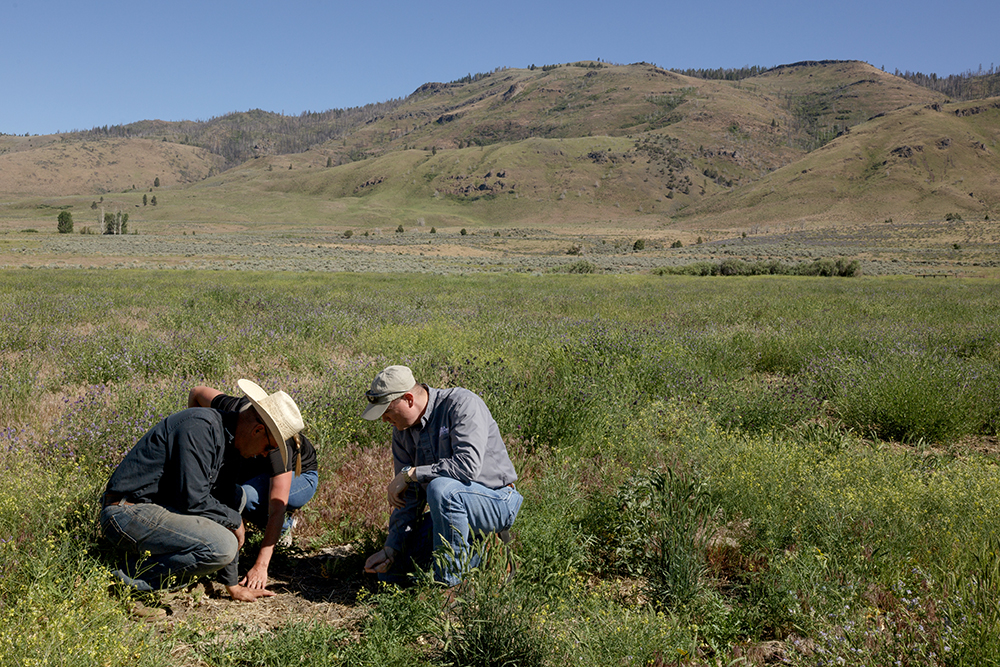
The first place Colleen is prioritizing tracking expenses is this season’s hay enterprise. And she’s holding herself accountable for this goal with the help of Steven Smith, a consultant with Noble. The two connected at the Profitability course in Pendleton and continued working together during Colleen’s first consultation session, included with the cost of the course.
“We did a lot of hypothetical things in the course, then ultimately that one-on-one consultation with Steven, where we were working with our real numbers and our stuff and our unique situation and things like that, I just thought, ‘This is exactly what we’ve been needing,’” says Colleen.
This ranch-specific conversation helped Colleen get answers to some questions she had about profitability on the ranch. But it also helped her stick to a plan for her recordkeeping goals and the smaller steps it would take to reach them.
“Steven and I go back and forth all the time about raising our own hay,” says Colleen. “That’s one thing that Noble really challenged us to do, is to look closely at our haying operation. What does it cost for us, as cattle ranchers, to put up our own hay?”
At the time, it was a question she didn’t have an answer to. But she worked with Smith to develop a plan of action. It included finding a way to track expenses by enterprise or even by activity, like making hay. Collecting handwritten slips of paper from the hay crew can feel tedious. But, in the end, she feels it will be worth the effort.
“It’s probably the biggest challenge we had from Noble, and it’s been really eye-opening,” says Colleen. “The next time Steven asked me, ‘What’s your hay costing you?’ I don’t have to spend four days trying to sleuth it out.”
With a new system in place this summer, Colleen is hopeful that she’ll have a much better idea of what hay really costs at Withers Ranch. “Matt and I want to look back when we’re in our 60s and say, ‘Remember when we got $4 for these calves on the Western Video Market? And then remember when we took that money? That’s when we went to that Noble course and we started tracking things,’” says Colleen. “I want to look back on this time and realize that we did something really good with this good time because it probably won’t stay this way, and we know that.”
Laura Brenner
Laura Brenner, Sr. Content Writer
Laura Brenner is a senior content writer for Noble Research Institute. She’s worked in agricultural communications for over a decade, specializing in nonprofit communications and storytelling. Laura earned a bachelor’s degree from Penn State University and a master’s degree from Purdue University. She resides near her hometown of Lancaster County in south-central Pennsylvania.

Comment