
Why Ragweed Isn’t the Problem (and What Is)
In a regeneratively managed pasture, weeds aren't the problem, but they are an indicator of an ecosystem in need of different management.
An ounce of prevention is worth a pound of cure. That’s how Noble’s regenerative ranching advisor, Will Moseley, summarizes the solution to an abundance of ragweed in pastures. That’s because when a rancher embraces a regenerative mindset, a weed isn’t a problem to be eradicated. It’s a symptom of its environment — and maybe a missing piece of land management.
Western ragweed is often looked at as a scourge on the landscape. Ragweed is typically unpalatable to cattle, which makes it easy to spot in an often-grazed pasture and may seem like a drain on your available forage. Yet, according to Moseley, as a native plant, ragweed has inherent value and is an important sign for soil health-focused ranchers.
Ragweed Is Not the Problem
Ragweed is a symptom of land management decisions. But how ranchers typically view ragweed — as a problem — is a by-product of mindset.
“Ragweed has value,” says Moseley. “It is a native plant that has living roots in the soil, and it’s providing cover and food for wildlife. It’s only when it becomes overabundant that ragweed becomes a problem for ranchers.”
He shared an example from Noble’s early days of transitioning to regenerative management. In 2022, a hayfield on the main campus became rife with ragweed after ranch manager Paul Luna stopped spraying herbicides and mowing regularly.
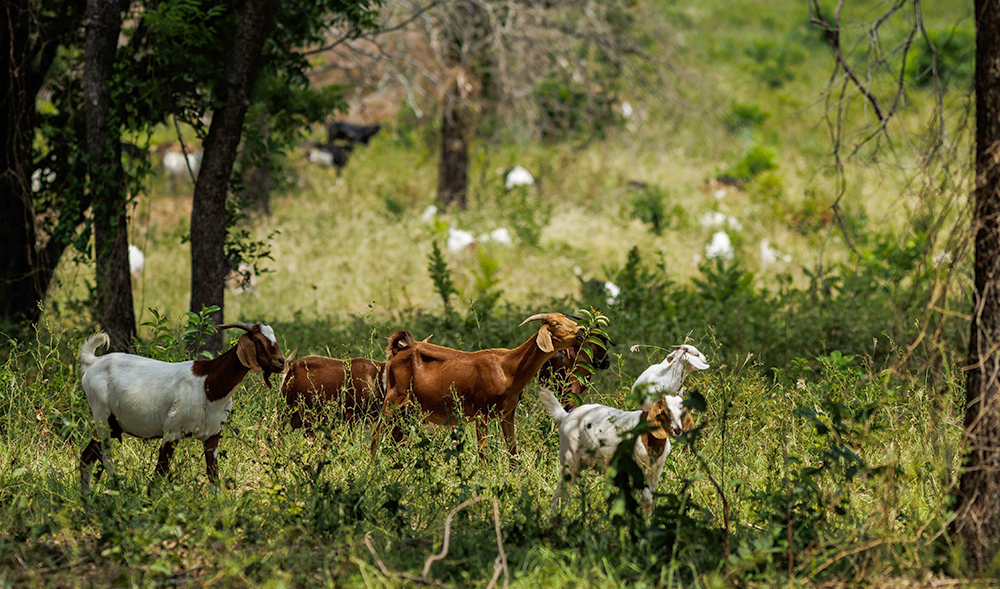
“It was ragweed for a while,” Moseley said of the field. “Paul AMP grazed it with cattle. He had sheep and goats he would bring through, too. He used no herbicides, no more fertilizer, and he just used quick, multispecies flash grazing and recovery.”
A couple of years later, Moseley says the field looks totally different. “We recently taught Noble Land Essentials out there in October, and it is a lot of grass now, a lot of diversity,” he says.
A significant shift in disturbance pressure is just one example of how ragweed may indicate a missing link in the ecosystem. Another common cause of ragweed pressure in pasture, especially among cattle producers, is overgrazing.
“[Ragweed] is a native plant. It’s important to the ecosystem and to wildlife, so it will always be there, but it won’t just take over by itself. It needs the right set of circumstances to allow itself to become overabundant.”
Ranchers who find themselves faced with an abundance of ragweed may be initially inclined to grab a quick fix from the feed store shelf. But Moseley advocates for a different approach — a shift in management practices.
“Ragweed is an indicator of something else going on,” says Moseley. He says the idea of managing for what you want in your pastures, rather than focusing on what you don’t want to see out there, is a challenging concept for a lot of ranchers.
Low-Cost Ragweed Management Solutions
While there’s no single solution that will work for everyone, Moseley says animal impact and adequate recovery are essential components to restoring pastures. Rest and recovery during the growing season, to allow the other plants to express themselves, are essential to restoring diversity and balance to your pastures.
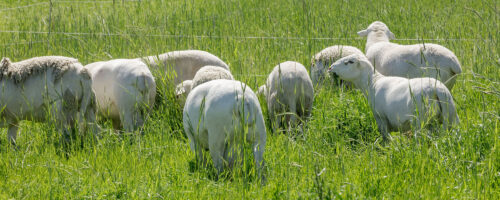
“I don’t think completely excluding livestock is the answer. I think adding another animal species impact — sheep or goats — could help. Using livestock disturbance via flash grazing, then giving the ecosystem time to recover, that’s the key,” he says.
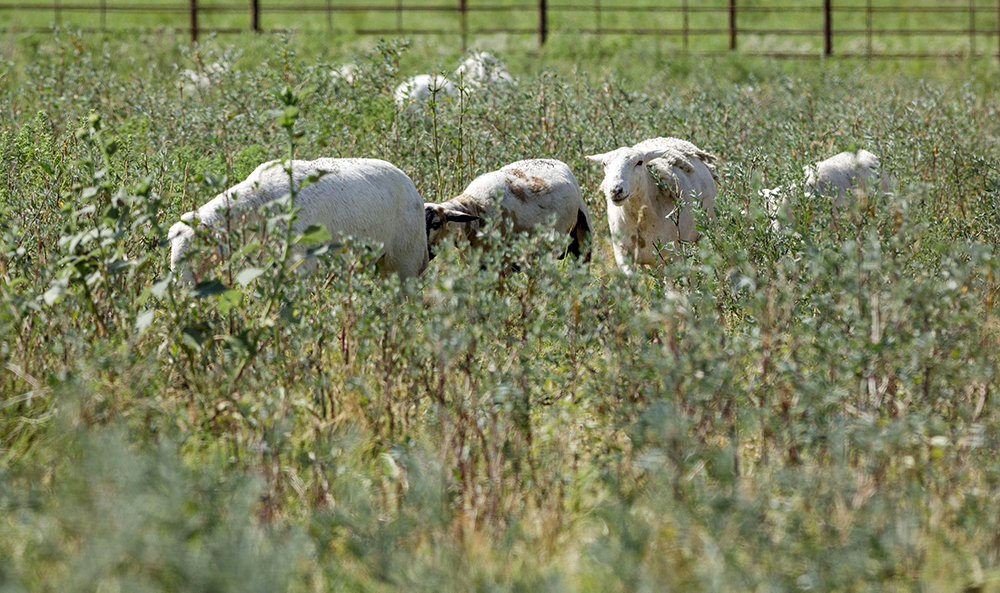
While cattle don’t care for western ragweed (giant ragweed is a different story), sheep and goats willingly graze during certain times of year.
Regenerative ranching advisor Josie Morris has seen goats and sheep devour western ragweed in late summer and early fall, typically in September and possibly all the way into October. But she warns that flocks that have not been exposed to the plant before may be hesitant.
“If goats or sheep have come from somewhere they weren’t exposed to ragweed before, they may not know that that’s a good source of protein right off the bat,” says Morris. “If you have sheep and goats that you notice aren’t grazing the ragweed like you think they should, you can tighten them down to an area that’s mostly ragweed and give them fewer options.”
Morris says this isn’t a good strategy to hold for too long. A single-species diet isn’t ideal for anyone. But in a pinch, it works when you need to encourage your animals to graze ragweed.
If adding small ruminants isn’t feasible, Moseley suggests bale grazing over the top of your ragweed site in the dormant season.
“You’re getting nutrients to the soil, and you’re getting good animal impact you need to disturb the soil, but then you have to allow it to recover during the growing season.”
He also says this strategy is great for producers who want a “safe to fail” option. That’s a philosophy Moseley talks about during Noble Land Essentials courses, where ranchers can start small, try something new and evaluate the outcome after the season.
Both Moseley and Morris suggest taking a long view for pasture management. Track what happens in your pastures over time for a bigger picture of how your management plans impact forage production and plant diversity.
Keep Track of Pasture Progress
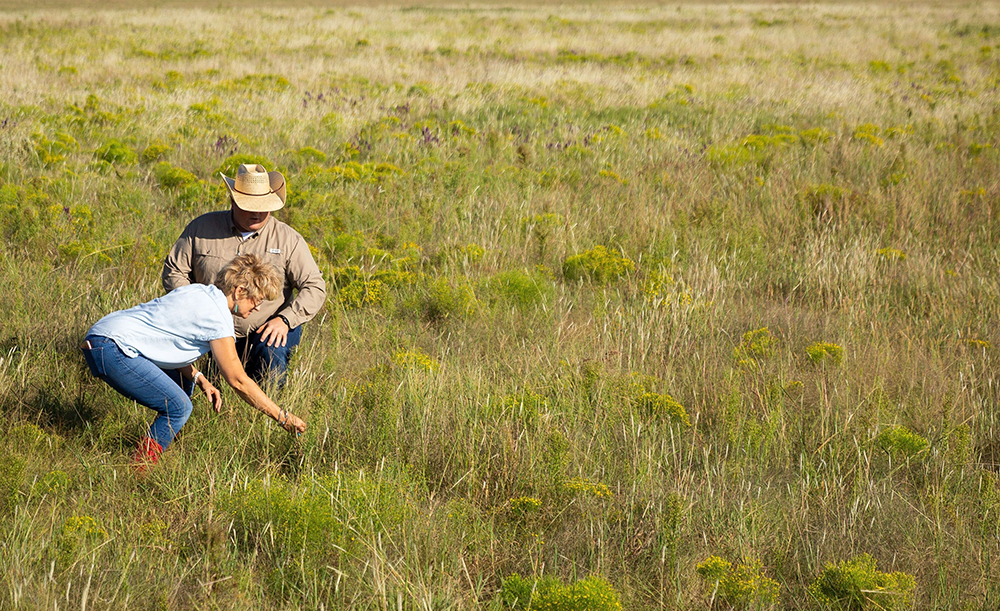
The best time to evaluate your pastures is during the growing season, when you can see a full example of what your ecosystem can produce. But Moseley says it’s more important to track changes in your pastures over time, not just in one season. He suggests doing pasture walks around the same time each year and asking yourself a few questions about what you see and what that might say about your management practices.
“What’s the field doing over time? Is the ragweed presence increasing over time?” Moseley poses as questions ranchers should ask themselves. “That’s going to tell me something. And maybe I realize I am taking too much every year. Maybe I need to back off, rest it longer. I could adjust my grazing based off what I see.”
He suggests considering what grasses came up, what forbs you see and how this year’s production compares to previous years. Using that as a starting point, plan next year’s growing season around what you’d like to see improve. Small, incremental changes over time will help ranchers make the most of the resources they have.
“Maintaining a good, diverse, healthy rangeland — that’s going to be the best defense you can have to prevent ragweed from becoming a problem,” says Moseley.

Laura Brenner
Laura Brenner, Sr. Content Writer
Laura Brenner is a senior content writer for Noble Research Institute. She’s worked in agricultural communications for over a decade, specializing in nonprofit communications and storytelling. Laura earned a bachelor’s degree from Penn State University and a master’s degree from Purdue University. She resides near her hometown of Lancaster County in south-central Pennsylvania.
Comment