
More Grazing Days Start in the Fall
Adding cover crops to a grazing system takes planning, but the payoff can include more grazing days, healthier soils and stronger pastures.
Every day that livestock harvest their own forage means another day producers rely less on hay. For many grazing operations, extending the grazing season is one of the most effective ways to reduce winter feeding costs while keeping cattle on pasture longer.
That’s one reason Jim Johnson, ranching advisor with Noble Research Institute, regularly hears questions about fall-planted cover crops. Producers want to know how they fit into a grazing plan, whether they’ll pencil out economically and what it takes to make them successful. Johnson believes cover crops can answer those questions, but only when producers think beyond the seed mix itself.
“People often use the term ‘cover crop’ as a catch-all for anything we plant in addition to our perennial forage,” Johnson says. “I don’t want people to necessarily look at them just as a grazing crop.”
Instead, Johnson encourages producers to think of cover crops as another forage crop within the grazing system. While they can provide valuable grazing during late winter and early spring, they also improve soil health, increase plant diversity and create habitat for pollinators and beneficial insects. Those benefits continue long after livestock leave the pasture.
Start with the goal
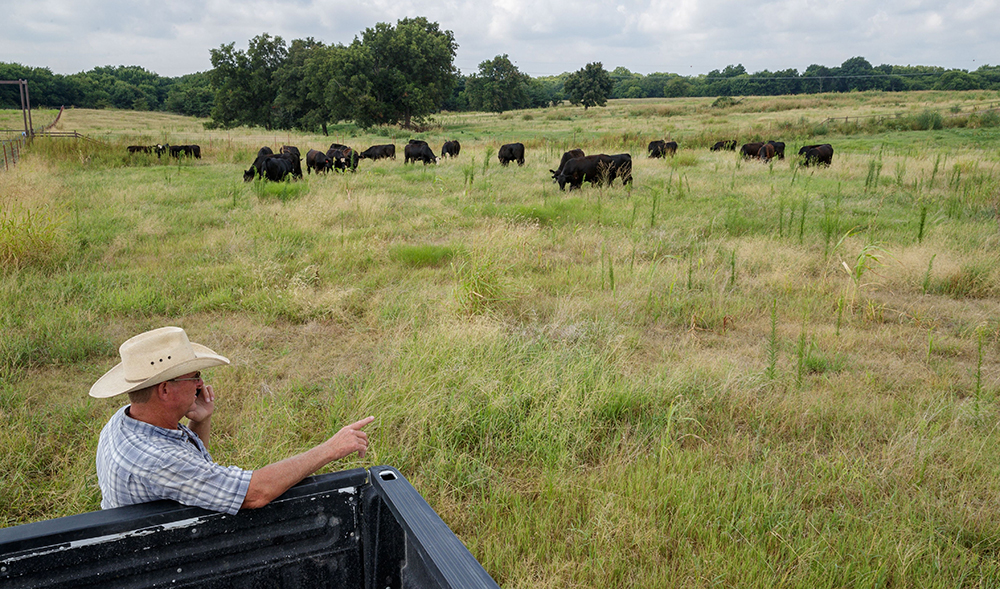
Before deciding what to plant, Johnson recommends deciding why to plant it. Every ranch has different forage resources, management priorities and production goals, so the right cover crop for one operation may not be the right fit for another.
“It always depends on their goal for the cover crop,” Johnson says. “Some producers are primarily looking for additional forage that extends grazing into late winter and early spring. Others want to increase plant diversity, reduce compaction, build soil health or create habitat for pollinators and beneficial insects.”
Johnson advises producers to think about how a cover crop fits into the larger grazing system rather than treating it as a separate practice. He recommends asking if that field fills a seasonal forage gap and whether grazing it will reduce hay feeding while allowing perennial pastures additional recovery.
“How does that grazing field fit into the rest of your grazing plan? Does it match a time when you have a forage need and allow you to reduce hay feeding?”
Looking at cover crops through that lens also makes species selection more straightforward. A producer focused on increasing plant diversity and forage may choose a mix of grasses and legumes. Someone hoping to alleviate compaction or attract pollinators may prioritize plants with deeper root systems or flowering species.
Johnson also encourages producers to think about cover crops differently.
“Maybe instead of a cover crop, think of it as a second forage crop. I think it can still provide a lot of the same benefits to the ecosystem if we manage it properly when you graze a cover crop.”
Management determines success
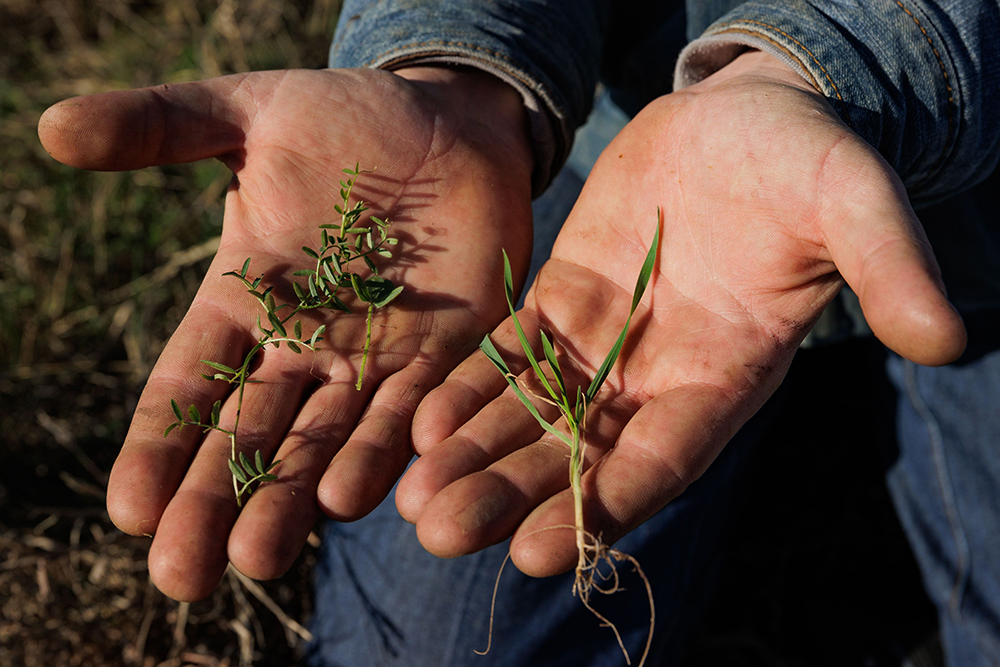
Planting a cover crop is only the beginning. Johnson says management decisions ultimately determine how much value producers receive from the investment.
Timing is one of the biggest considerations. In much of the southern Great Plains, producers establish cool-season cover crops after warm-season grasses go dormant, allowing them to grow through the winter before grazing them in late winter or early spring. That timing helps fill a seasonal forage gap while giving perennial pastures time to recover before spring growth begins.
Noble’s Red River Ranch has adopted that approach. Ranch manager Kevin Pierce plants cool-season cover crops and grazes them in February and March while warm-season pastures are dormant. Pierce initially incorporated the practice for its soil health benefits, but Johnson says extending the grazing season creates economic value as well.
“The economics would be a lot better, for one, because you’re not paying to cut, rake, bale and haul hay off, then haul it back and feed it. You don’t have the shrink from it decomposing in a field or the capital expenditure if it’s in a barn for storage.”
Johnson says producers in southern Oklahoma can often expect about 30 additional grazing days from a cool-season cover crop, while favorable growing conditions may extend that window to as many as 60 days. Geography, rainfall and weather all influence those results.
Even then, Johnson reminds producers that weather still has the final say.
“You might do everything right, and if it doesn’t rain, you still end up feeding hay.”
He also emphasizes that cover crops do not replace sound grazing management. Like perennial forage, they need adequate time to grow before livestock are turned out, and perennial pastures still require sufficient recovery following grazing.
“You can’t just graze all the time. Your cover crop needs time to grow, and your perennial forage needs time to recover,” he says.
Establishing the crop also requires planning. Johnson prefers planting with a no-till drill because it provides the most dependable establishment, although he recognizes that equipment isn’t available on every operation.
“You can broadcast or tread in with cattle, but it’s not as dependable and predictable as a no-till drill. Though, if you can get some good rain right after planting, you might get closer.”
Think beyond the grazing season
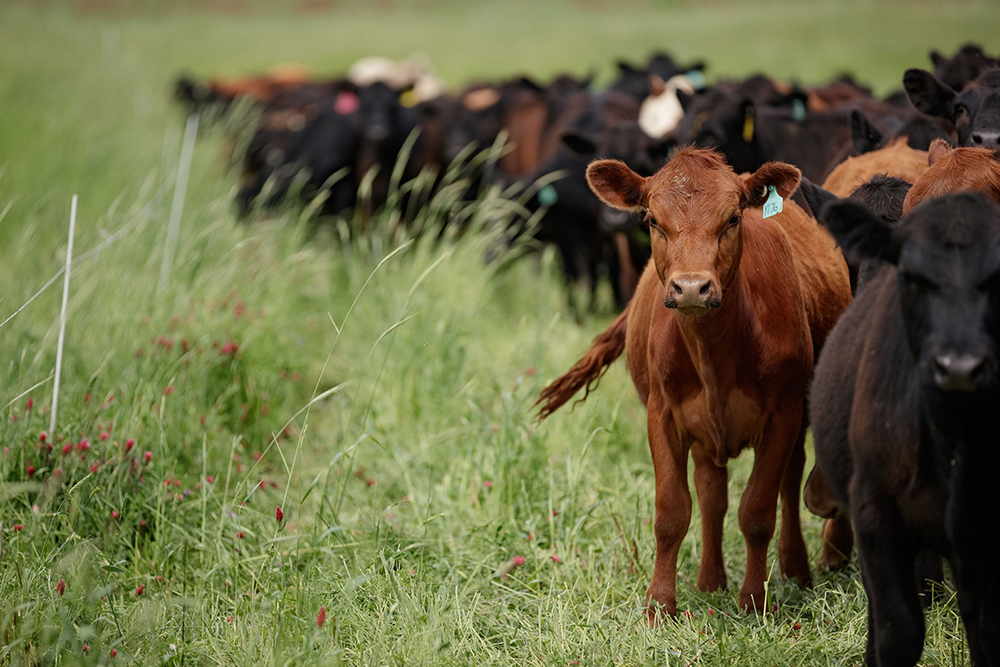
Additional grazing days are often what capture producers’ attention first, but Johnson says many of the greatest returns develop over time.
“In the first year, you may see an increase in insects and beneficial animals. But it may take a few years for a noticeable increase in earthworms and water retention or infiltration rates.”
That long-term perspective is important.
“They’re an investment. I wouldn’t expect just one cover crop to magically fix my soil, but they are a tool that over time improves soil health, water infiltration, water-holding capacity and organic matter while providing additional forage.”
For producers trying cover crops for the first time, Johnson recommends keeping the learning process simple.
“Find somebody locally that’s done it,” Johnson says.
Neighbors working under similar soils, rainfall patterns and growing conditions can offer valuable insight into species selection and management.
Starting with a small acreage allows producers to evaluate what works under their own conditions before expanding the practice. With clear goals and thoughtful management, fall-planted cover crops become more than a way to add grazing days. They become another tool for building healthier soils, stronger pastures and a more resilient grazing system over time.

Maddy Westbrook
Maddy Westbrook, Sr. Content Writer
Maddy Westbrook is a senior content writer for Noble Research Institute. She grew up in the Texas panhandle as the fifth generation of her family’s farming and cattle feeding business before earning her bachelor’s degree in agricultural communications from Texas A&M University. Maddy’s experience spans marketing and communications within the agricultural commodity and food and beverage industries.
Comment