
Simple Monitoring for Pasture Management
Measuring progress in your regenerative journey can be fast, simple, observational and make an impact on your bottom line.
Most ranchers know the feeling of flipping through last year’s calving book — the shorthand scribbles, details you forgot you wrote down under a cold headlamp, the confidence that comes from notes to look back on.
“People naturally record things they know they’ll use,” says Travis Jones, Noble Research Institute regenerative ranching advisor. “That calving book goes everywhere.”
Too often, the season ends, and the habit disappears.
But what if, Jones asks, we extend that same habit throughout the rest of the year? For many, chute-side records are automatic too, but what about land records, soil observations and forage growth notes?
Jones says this monitoring isn’t about creating extra work, needing special tools or collecting layers of data to gather dust in a drawer or computer file. Instead, it’s about making quick, intentional observations tied directly to management decisions.
“The first thing we need to lead with is that the monitoring you do is going to depend on your goals and objectives,” Jones says. “We preach it in all our courses: write it down, where you can see them, every day. Those goals guide what you’re looking for and give you good reason to track it.”
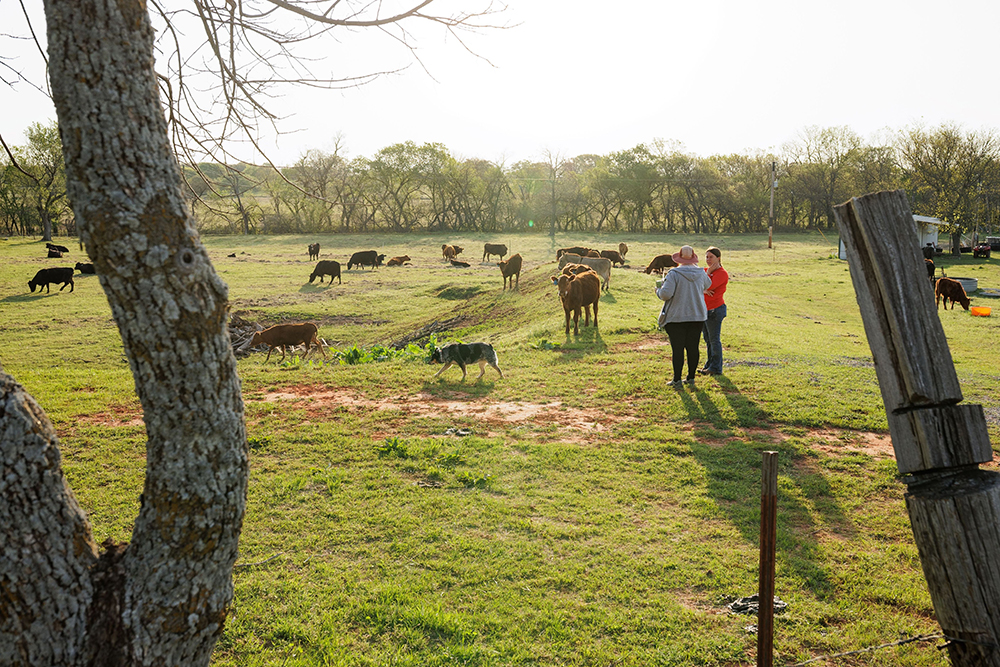
Look For What Informs A Decision
Monitoring frequency doesn’t matter nearly as much as the purpose behind it.
“Every time you go out to make a management decision based on your grazing, that’s the perfect time to take two minutes to look around,” Jones says. This may mean noting forage utilization after a grazing event, recording biodiversity before you move into a new pasture or noting regular observations on a weekly loop.
The key question is simple: Will this information change what I do next?
Jones cautions against gathering data out of simple obligation. “If you’re not going to make a management decision based on your bare ground or biodiversity, then why are you keeping track of it?” he says. “These are easy observations. Cheap, easy data. But it only matters if it’s tied back to your goals.”
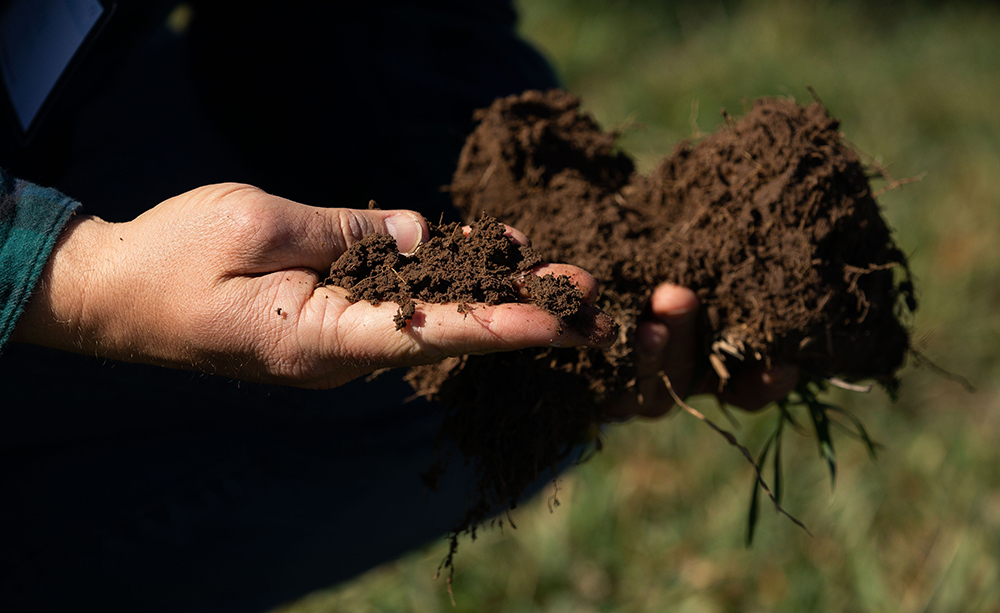
Start With Soil: Get Out And Look Down
Setting goals based on the soil health principles creates a starting point for a natural monitoring checklist.
Observations of where you are create context benchmarks. “Thirty percent ground cover might be excellent in one situation and terrible in another. If you started with 20%, that’s progress. If you’re aiming for 80%, you know you have work to do,” Jones says. “It’s all context driven.”
In the spring, a shovel is one of the best monitoring tools you own.
“Can you get the shovel in the ground? Can you see earthworms or soil critters? Is the soil the color it should be? Are roots visible?” he asks.
In fall or winter, he suggests watching for litter dams — the small ridges of plant material that form when water permeates bare or lightly covered soil. “It’s an indicator something’s off in your water cycle — maybe an infiltration issue, maybe not enough cover.”
What matters most is that you step out of the side-by-side or pickup and pay attention.
“Those are cheap observations that tell you if things are trending positive or negative.”
Watch The Plants: Vigor, Growth, Recruitment
The growing season is a critical time to pay close attention to plant health.
“Are they putting on new leaves and actively recovering from grazing events? Are they starting to yellow? Have they produced a seedhead or new tillers?” Jones says. Seedhead production, in proper time, is often a sign that plants have enough vigor to complete their natural cycle. These are all indicators of the efficacy of your management choices.
New seedlings are another indicator worth noting. “Stage-one growth is highly palatable. If seedlings never make it past that point, that may reflect how we’re managing grazing,” he says.
Your vegetation notes should also help you evaluate stock density and timing — whether you’re seeking more trample, more utilization or more rest.
“A grazing exclosure is a cheap, easy way to monitor forage,” Jones says. We often think we’ll remember what a pasture looked like before we grazed, but an exclosure’s stark visual contrast will heighten our observational senses. “Again, it’s cheap, easy data, built from materials you likely already have.”
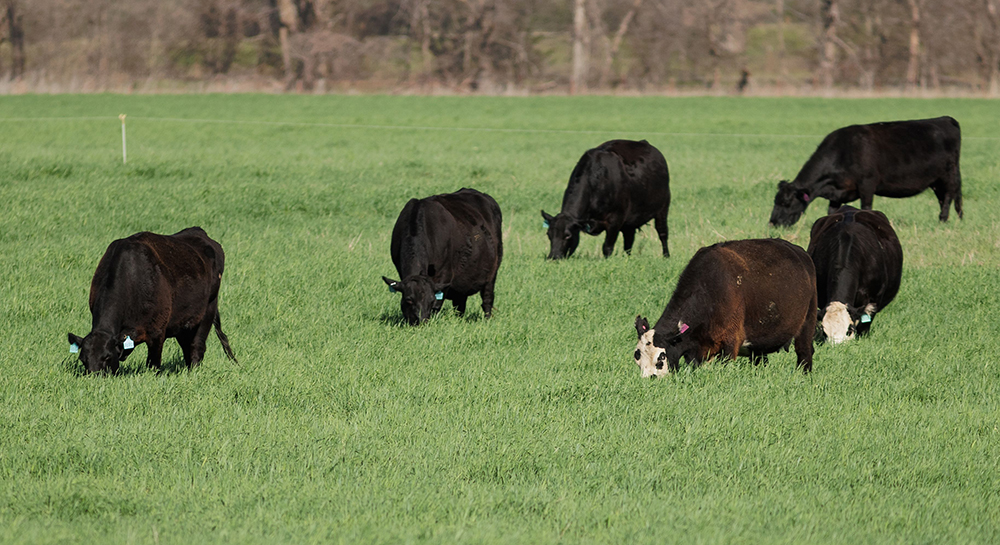
Listen To Your Livestock
We’re attuned to marking production records or extreme behavior on our animals, but what about the day-to-day observations that cue us into their habits and health?
“By the time you observe a poor body condition score, it’s too late,” Jones says. Instead, he recommends watching for contentment: Are your livestock calm, filled out and settled? Or are they restless, pacing or stretching their grazing boundaries?
Take the time to stick around after you deliver mineral or run the cake truck. Turn off the engine and listen. “Standing among them while they graze lets you actually see what they’re putting in their mouths. That’s a huge deal, and you might be surprised what you can learn from really watching their behavior,” Jones says.
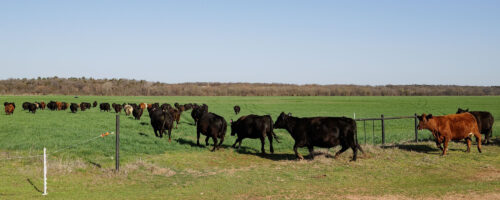
Hoof action also provides insights. In some cases, you may want more, such as when trampling in organic matter. But in others, trails, loafing or heavily used corners can signal a need to move mineral, shade or feeding locations.
Basic monitoring habits will help anchor memory points and compare changes over time. Photo points offer a high-value, low-effort method that allows you to go back and see how bad that trail has gotten over the past year, or how much more forage you grew with a shift in recovery time.
“Photos speak volumes,” he says. “We think we’ll remember, but we need those records to really remind us of the progress we’re making or still want to make.”
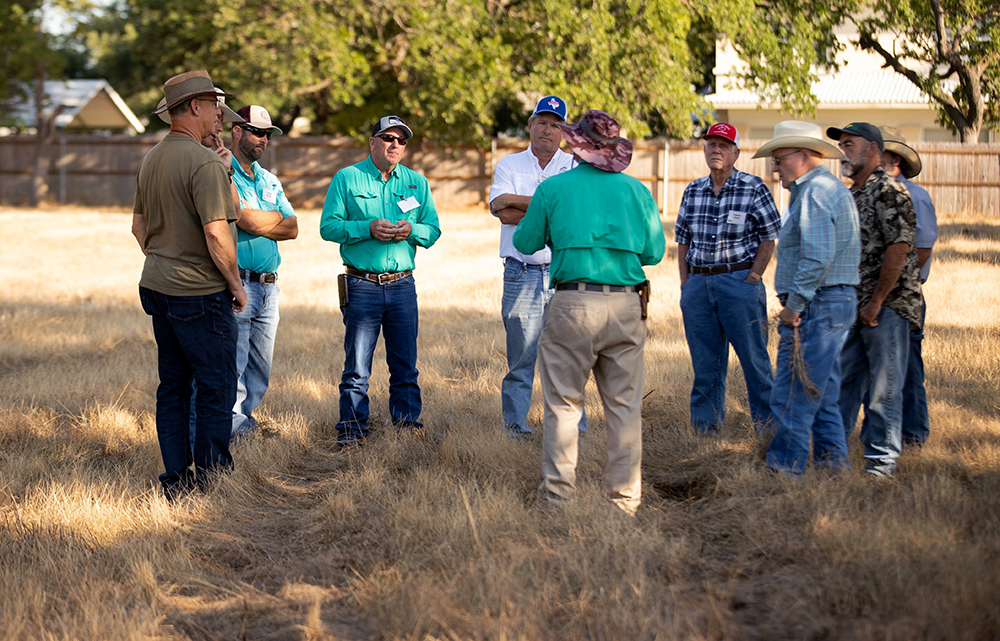
The Real Payoff: Risk Reduction And Rancher-To-Rancher Learning
In Noble business classes, Jones always asks producers to identify the factors that most impact their success. Inevitably, it comes down to weather and markets. “Those are always the top two, and they’re two things we can’t directly control. But we can identify decision points, based on our observations, ahead of time to help us reduce risk.”
That’s where simple, consistent monitoring pays off. Still, Jones believes the most overlooked tool might be your neighbor.
“Ranching has always relied on that peer-to-peer approach,” he says. Note your observations, then share with a neighbor — you might be surprised to hear what he’s monitoring in his pastures.
Instead of filling idle small talk with those factors out of your control, consider sparking a more interesting conversation with a note about a new kind of bragging rights. “I’d love to hear coffee-shop talk where guys are saying, ‘My biodiversity is the best — I’ve seen 10 new plant species this year, and I’ve got pictures to prove it,’” Jones says with a laugh. “Why not? Those are the things that really show off our management.”

Laura Nelson
Laura Nelson, Content Writer
Comment
Leave a Reply
1 comment on: "Simple Monitoring for Pasture Management""
Sonny Gwyn
April 21, 2026I really enjoy your “rubber meets the road” articles like this one, Simple Monitoring. It’s thought provoking, incredibly useful and very beneficial when used. Looking back season to season is one thing but being able to look back to last year, bout this same time, can really have a lasting impact.
Also, I like the way y’all include the “what we’re kinda looking at” or “making notes on”; trails, water dams, and your comments about these conditions are important in making decisions.
So, great job ! Thanks, Sonny