Avoid fish die-off
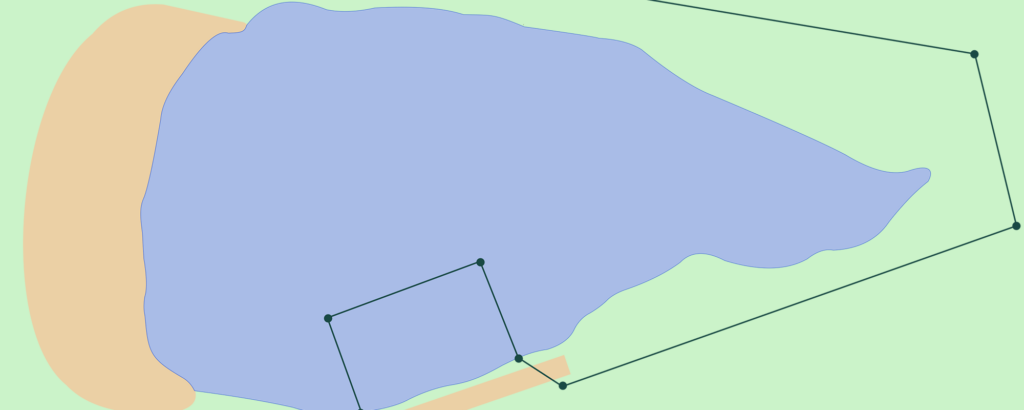
Occurrences of fish die-offs in ponds typically increase during exceptionally hot, dry periods. This usually is caused by inadequate water depth, excessive cyanobacteria blooms or low dissolved oxygen (DO). To avoid drying up or becoming too shallow, ponds should have maximum depths appropriate for each region. Pumping water to fill a pond or maintain its level is seldom practical.
To minimize risks of cyanobacteria blooms, limit nutrient inputs (such as feed, fertilizer and hay), avoid stirring up sediments and avoid introducing organisms or water from other impoundments or streams. Cyanobacteria can produce toxins, and when a bloom produces toxins, there is not much that can be done. To minimize risk of low DO, limit nutrient inputs and avoid high fish densities, stirring up sediments and killing aquatic plants. Consider emergency aeration when low DO is anticipated. For more information about low DO, refer to Pond Managers Can Take Steps to Avoid a Fish Kill.
Anticipate reduced deer antler quality
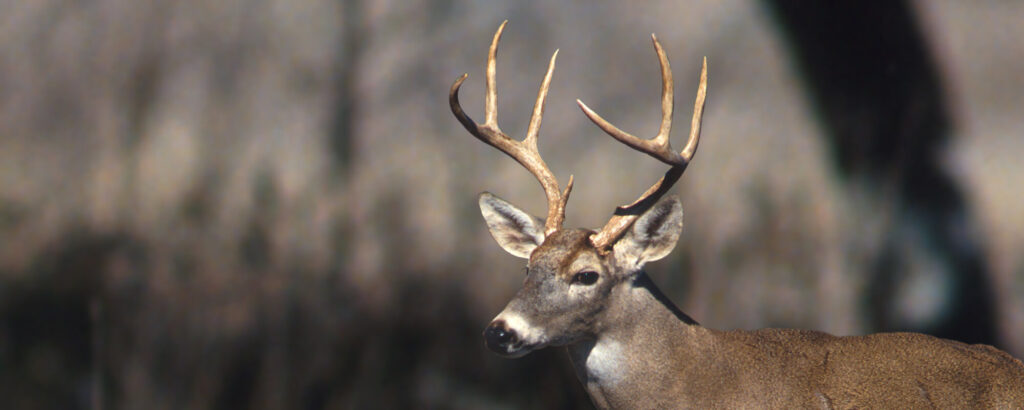
White-tailed deer antler growth generally takes place between April and August. A prolonged reduction of quality and quantity of forage during this period can negatively impact antler production. Antlers of young deer whose bodies are still developing will likely be more impacted than those of older deer. The prolonged nature of the current drought will probably result in a below average antler year. There will be some exceptional animals harvested; however, they will be fewer than normal. Smaller than average antlers on yearling bucks does not necessarily indicate inferior genetics.
Evaluate the appropriateness of feeding deer
This is a complex issue, and there is not one correct answer. The management strategy preferred by Noble Foundation consultants is to manage habitat and deer numbers within carrying capacity. Feeding probably is unnecessary in this scenario. However, deer will likely respond to feed during a prolonged drought. If the management goal is to supplement and concentrate a few deer, then a feeding station may accomplish that. If the management goal is to positively impact the herd at the population level, then it probably will require numerous feeding stations and significant expense. We do not recommend feeding, but if you decide to feed, a complete ration with at least 16 percent crude protein is recommended. Corn can be part of the ration, but should not be the sole feed.
Reconsider white-tailed deer harvest
If maintaining a stable deer herd is a management goal, then doe harvest may need to be reduced or eliminated for the upcoming season to compensate for the possible lack of recruitment (number of fawns alive in the fall). On the other hand, if reducing the herd is a management goal, then doe harvest should probably continue. On most well managed properties with conservative buck harvest limits, buck harvest rates can likely be maintained. On less managed properties, buck harvest should probably be reduced to ensure adequate carryover of adult animals into the following year.
Understand the effect on fawn survival and recruitment
The effect of drought on fawn survival is related to how it affects deer habitat, specifically, forage quality and quantity and cover. Lack of suitable-quality forage this growing season probably will not have a large impact on adult survival. However, if does cannot acquire adequate nutrients, fawn survival and recruitment may be adversely impacted.
Properly manage wildlife habitat
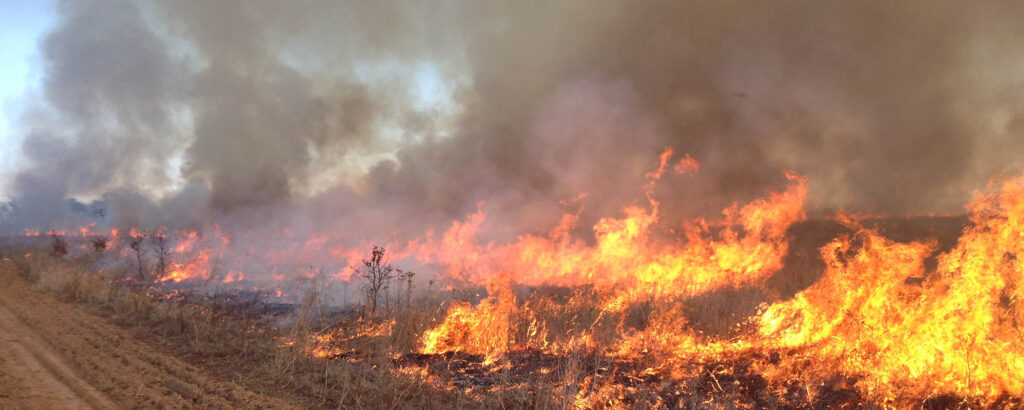
Grazing management and prescribed burning are two of the best tools available for managing wildlife habitat. During drought, these tools can have positive or negative effects on wildlife habitat, depending on how they are applied and on the wildlife species.
Destocking is usually the best way to protect wildlife habitat during drought, but that's not always possible. Keep cattle in one paddock to reduce the time and expense needed to recover from degradation to wildlife habitat and livestock forage on the remainder of the property. Also, explore ways to allow recovery to pastures that have been burned immediately before or during the growing season. Know habitat requirements for your target wildlife species and plan for recovery accordingly.
A drought-induced reduction in herbaceous growth will result in reduced herbaceous cover, which, in turn, may also lower fawn survival due to increased coyote predation. For more information, read What to do About Deer and the Drought and White-tailed Deer: Their Foods and Management in the Cross Timbers.
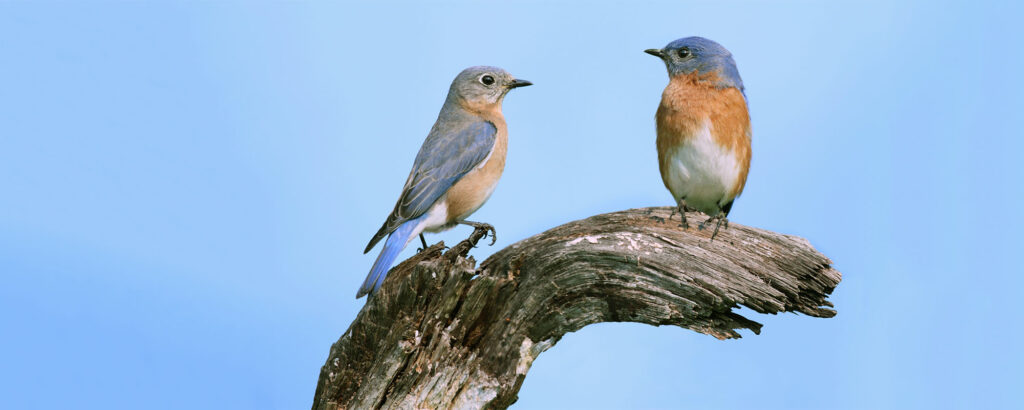
Be aware of changes to northern bobwhite habitat
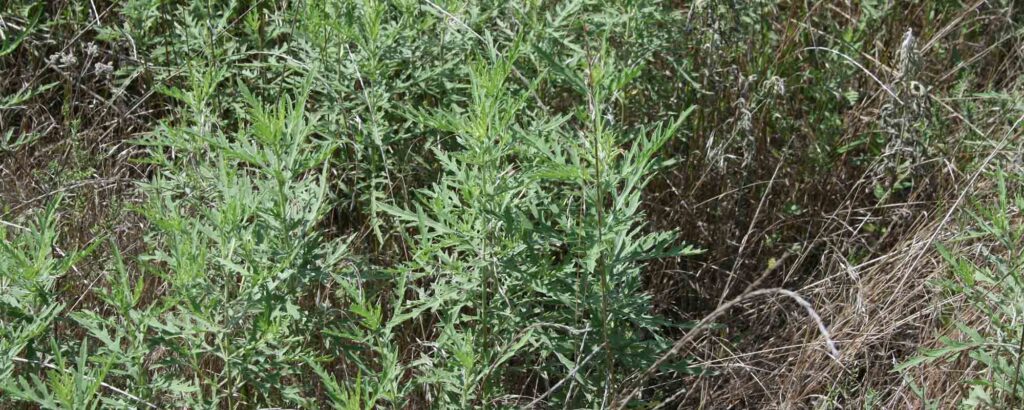
During drought, many pastures are overgrazed, causing more disturbance to the ground than during normal years. If weather conditions are favorable next growing season, forbs - broad-leaved herbaceous plants such as croton, sunflower and ragweed - will probably take advantage of the situation and increase in quantity. Forbs are an important group of plants to bobwhites, providing both food and cover.
Forbs also provide habitat for many insects. These insects are the primary diet of bobwhite chicks during the first several weeks after hatching as well as an important part of an adult's diet during the spring and summer months. Assuming all other habitat requirements are met, having both extra forbs and insects help bobwhites lay multiple clutches and hopefully raise multiple broods. The capacity to lay multiple clutches gives the bobwhite the ability to rebuild their numbers.
Revaluate northern bobwhite hunting practices
Northern bobwhite numbers probably will be down this hunting season. In most situations, hunting northern bobwhites does not have a negative effect on the overall population level on a landscape scale such as a county or state. However, heavy harvest may have a negative effect on isolated and depressed populations of northern bobwhites.
To reduce the risk of harming bobwhite populations, hunt early in the season and remove no more than 10 percent of the estimated population. Northern bobwhites have the reproductive ability to rebound in future years with favorable weather and habitat conditions.
Renovate fish population
Low water levels in ponds present opportunities to renovate undesirable fish populations by draining or applying rotenone. Because of less water during drought, time and labor required to drain a pond is reduced.
Low water levels are also ideal for treating a pond with rotenone to kill fish. It takes less rotenone to treat a pond because application rates are based on water volume, thus reducing expenses. In warm water, rotenone more effectively kills fish due to higher fish metabolism and lower dissolved oxygen levels; however, it breaks down faster in warm water. In nutrient rich ponds, there is a possibility that not all fish will be killed, so inspect the pond at dawn following treatment. Do not restock fish until the pond has at least 7 feet of water depth and rotenone detoxifies (usually two to four weeks). For more information refer to Rotenone Can Remove Undesirable Fish From a Pond.